How I Avoided the Hype: Smart Tools for Passion-Fueled Investing
You love your hobby—whether it’s sneakers, art, or rare vinyl—and turning it into an investment feels natural. But I learned the hard way that passion doesn’t guarantee profit. I jumped into niche markets excited, only to hit hidden fees, emotional decisions, and overpriced assets. This isn’t about getting rich quick; it’s about protecting what you love. Let’s explore how to invest in your interests wisely, avoid costly traps, and use the right tools to stay grounded when excitement takes over.
The Allure of Passion Investing – Why We’re Drawn In
Investing in what you love feels intuitive. When a hobby brings joy, it’s easy to believe it can also bring returns. Whether it’s vintage watches, limited-edition sneakers, or classic comic books, the emotional connection amplifies the perceived value. This shift—from enjoying a pastime to viewing it as a financial opportunity—is increasingly common in today’s culture of consumption upgrade, where personal interests evolve into aspirational assets. The rise of online marketplaces and social media has further blurred the line between collecting and investing, making it seem as though every rare item is a potential gold mine.
The psychological pull is powerful. Behavioral economists refer to this as the endowment effect: people ascribe more value to things merely because they own them or have a personal attachment. A vinyl record you’ve cherished since college may seem priceless to you, but the broader market might not agree. Similarly, the fear of missing out—FOMO—drives many to buy high during auction spikes or limited releases, often without researching long-term trends. Social validation plays a role too; when influencers or peers showcase their ‘profitable’ collections, it creates pressure to join in, even without a clear strategy.
Yet, not all passion-driven purchases are investments. Collecting is about personal meaning; investing is about measurable returns. The danger lies in mistaking one for the other. A painting may hang beautifully in your living room, but if it doesn’t appreciate in value, it’s a cost, not a capital gain. Recognizing this distinction is the first step toward smarter decisions. The emotional reward is real, but it should not be confused with financial performance. By acknowledging the psychological forces at play, investors can begin to separate sentiment from strategy and approach their hobbies with clearer eyes.
When Love Meets Loss – Common Pitfalls in Hobby-Based Investments
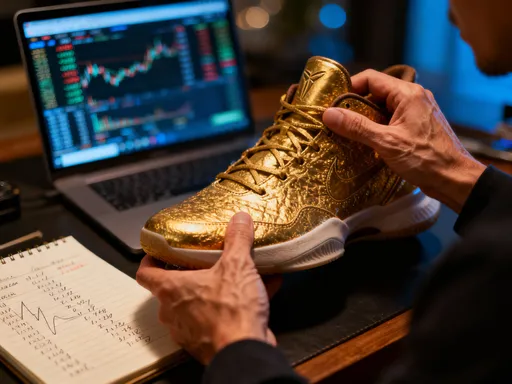
Passion can cloud judgment, and in the world of hobby investing, this often leads to costly mistakes. One of the most frequent errors is buying at peak prices driven by hype rather than fundamentals. A limited sneaker drop, for example, may sell out in minutes, with resellers listing pairs for triple the retail price. New buyers, caught in the excitement, pay premiums believing the value will only rise. But without sustained demand, prices can collapse just as quickly, leaving investors with assets worth far less than they paid.
Another common trap is ignoring liquidity. Unlike stocks or bonds, which can be sold within seconds on regulated exchanges, physical collectibles often take time to sell, especially if you want a fair price. A rare action figure might be listed for months before finding a buyer, and even then, the final sale price may require negotiation or concessions. This lack of liquidity becomes a problem when unexpected expenses arise and cash is needed. The inability to convert an asset quickly can turn a beloved collection into a financial burden.
Emotional attachment also leads to poor exit decisions. Investors may hold onto underperforming items long after market signals suggest selling, hoping for a rebound that never comes. This behavior is linked to the sunk cost fallacy—the idea that because time or money has already been invested, continuing is justified. But in finance, past costs should not dictate future choices. What matters is the asset’s current value and future potential, not how much you paid or how much you love it. Recognizing these patterns is crucial. Awareness alone won’t eliminate emotion, but it can create space for more rational decision-making.
Separating Emotion from Value – Building a Rational Framework
To invest wisely in your passions, you must adopt a disciplined mindset. This means treating your hobby assets the same way you would a stock or mutual fund—by evaluating them objectively, tracking performance, and setting clear criteria for buying and selling. The goal is not to eliminate emotion entirely, but to ensure it doesn’t override financial logic. Start by defining your purpose: Are you collecting for joy, or are you seeking returns? If the latter, your decisions must be guided by data, not desire.
Begin with research. Look at historical prices for similar items, using databases or auction records to understand trends. Compare your potential purchase to recent sales of comparable condition, rarity, and provenance. For example, two vintage watches may look identical, but one with original packaging and service history could command a significantly higher price. This process, known as comparables analysis, is standard in real estate and can be applied to collectibles. It helps establish a baseline value independent of emotional appeal.
Next, set objective entry and exit points before making a purchase. Decide in advance the maximum price you’re willing to pay and the conditions under which you’ll sell—whether it’s a target return, a time horizon, or a market signal. Writing these rules down increases accountability. Track each acquisition like a portfolio holding: record the purchase date, cost, condition, and source. Over time, review performance to see which categories are delivering returns and which are stagnating. This systematic approach reduces impulsive behavior and creates a feedback loop for continuous improvement.
Finally, embrace the idea that not every item in your collection needs to be an investment. Some pieces can be kept purely for enjoyment, funded from your discretionary budget. But if you’re treating something as an investment, hold it to the same standards as any financial asset. This dual framework—separating emotional holdings from financial ones—allows you to preserve the joy of collecting while protecting your financial well-being.
Choosing the Right Tools – Platforms, Trackers, and Analytics
Success in passion investing depends not just on what you buy, but on the tools you use to make decisions. The digital age has introduced a range of platforms designed to help collectors and investors track value, verify authenticity, and access markets. However, not all tools are created equal. Some promote transparency and education, while others encourage impulsive behavior through gamified interfaces or exaggerated rarity claims. Choosing wisely can mean the difference between informed investing and emotional overspending.
Price databases are among the most valuable resources. Services like StockX, PriceCharting, or the Hobbystone Index provide historical sales data for sneakers, video games, and other collectibles. These platforms allow users to see how prices have changed over time, identify seasonal trends, and assess volatility. Unlike anecdotal evidence from forums or social media, this data offers a more reliable picture of market behavior. When evaluating a potential purchase, consult multiple sources to confirm consistency in pricing and avoid outliers driven by one-off auctions or inflated listings.
Authentication services are equally important. Counterfeit items are common in high-demand markets, from fake designer handbags to forged trading cards. Reputable third-party graders like PSA (for cards), JSA (for autographs), or WatchBox (for timepieces) provide verification and condition ratings that enhance resale value and buyer confidence. While authentication comes at a cost, it reduces risk and can improve liquidity when it’s time to sell. Think of it as an insurance policy—a small expense that protects a larger investment.
Portfolio trackers tailored to collectibles are also emerging. Apps like Collectrium or Vault allow users to catalog their holdings, upload photos, and monitor estimated values over time. Some integrate with market data to provide alerts when prices shift significantly. These tools help maintain a clear overview of your collection’s performance, similar to how a brokerage account shows stock gains and losses. They also discourage emotional attachment by framing items as financial assets rather than personal treasures. However, be cautious of platforms that emphasize rarity scores or leaderboards, as these can fuel competitive buying and distort value perception. The best tools support thoughtful decision-making, not excitement-driven spending.
Diversification Within Passion – Don’t Bet Everything on One Niche
Even within a single hobby, putting all your money into one category is risky. Just as traditional investors spread capital across stocks, bonds, and real estate, passion investors should diversify within their area of interest. This reduces exposure to sudden market shifts and increases the chances of long-term stability. For example, a watch collector might allocate funds across vintage Rolex models, modern independent brands, and limited-edition collaborations. If demand for one segment declines, others may hold or even appreciate, balancing the overall portfolio.
Diversification doesn’t mean abandoning focus—it means being strategic about it. In art collecting, an investor might explore different movements—Impressionist, contemporary, or regional folk art—rather than concentrating solely on one style. In sneaker investing, spreading purchases across brands (Nike, Adidas, New Balance), release types (retro reissues, collaborations, player editions), and price tiers (entry-level vs. high-end) can mitigate risk. This approach mirrors the principle of sector allocation in financial markets, where exposure to multiple industries reduces vulnerability to any single downturn.
Another layer of diversification involves blending physical assets with related financial instruments. While owning a rare comic book is tangible and satisfying, it’s also illiquid. To improve flexibility, consider allocating a portion of your budget to more liquid alternatives, such as collectible-focused exchange-traded funds (ETFs) or art investment platforms that offer fractional ownership. These options provide market exposure without the burden of storage, insurance, or authentication. They also allow for easier rebalancing and exit strategies. The key is balance: maintain the emotional connection to physical items while using financial tools to enhance stability and access.
Ultimately, diversification within passion investing is about resilience. Markets change—tastes evolve, trends fade, and new technologies disrupt old forms. By spreading your investments across subcategories, time periods, and formats, you build a more adaptable portfolio. This doesn’t eliminate risk, but it reduces the impact of any single failure. And in the long run, that’s what sustainable investing is about—not chasing the next big hit, but building a thoughtful, balanced approach that endures.
Costs That Creep Up – Hidden Fees, Storage, and Liquidity Gaps
One of the most underestimated aspects of hobby investing is the total cost of ownership. While the purchase price is obvious, many expenses accumulate over time, quietly eroding returns. These include authentication fees, insurance premiums, storage solutions, and transaction costs—all of which can add up, especially in low-turnover markets where assets sit for years before selling. Ignoring these factors can turn a seemingly profitable investment into a net loss.
Storage is a prime example. Fine art, rare books, or vintage clothing require climate-controlled environments to preserve condition. A simple closet or garage is often inadequate, risking damage from humidity, light, or pests. Professional storage facilities charge monthly fees, and for high-value items, specialized vaults with security monitoring can be costly. Similarly, watches and jewelry may need regular servicing to maintain functionality and value, adding ongoing maintenance expenses. These costs are rarely factored into initial purchase decisions but can significantly impact long-term profitability.
Insurance is another necessary expense. Standard homeowner’s policies often don’t cover collectibles at full market value, especially if they appreciate over time. Collectors may need to schedule individual items or purchase specialized policies through providers like Chubb or Jewelers Mutual. Premiums vary based on value, location, and risk, but they represent a recurring cost that must be budgeted. Without proper coverage, a single theft or accident could wipe out years of investment.
Liquidity gaps also contribute to hidden costs. When you decide to sell, you may face listing fees, commission charges, or platform service fees—sometimes as high as 15–20% of the sale price. Auction houses, online marketplaces, and consignment shops all take a cut. Additionally, the time it takes to find a qualified buyer can delay access to funds, creating opportunity costs. During that period, the money is tied up and cannot be reinvested elsewhere. These friction points highlight why passion assets should be viewed as long-term, illiquid investments—suitable only for capital you don’t need in the short term.
A Sustainable Approach – Balancing Joy and Financial Sense
Passion investing works best when it harmonizes enjoyment with financial discipline. The goal isn’t to turn every hobby into a profit center, but to engage with your interests in a way that respects both your emotions and your balance sheet. This requires intentionality: setting clear goals, defining boundaries, and maintaining perspective. Are you investing to grow wealth, preserve cultural heritage, or simply enhance personal satisfaction? Each objective demands a different strategy, and clarity prevents mission creep.
Start by allocating only discretionary funds—money you can afford to lose. Never use emergency savings, retirement accounts, or borrowed funds to finance collectible purchases. These assets are inherently speculative and should not form the core of your financial plan. Instead, treat passion investing as a satellite portfolio, capped at a small percentage of your total net worth—perhaps 5% to 10%, depending on your risk tolerance. This limits exposure while still allowing room for exploration and enjoyment.
Adopt a long-term mindset. True value in collectibles often emerges over decades, not months. Trends come and go, but enduring demand is built on rarity, cultural significance, and provenance. Focus on learning—study market history, attend auctions, talk to experts. The more knowledge you gain, the better equipped you’ll be to spot overhyped items and identify genuine opportunities. Patience is equally important. Resist the urge to chase quick flips or viral sensations. Sustainable returns come from careful selection, proper care, and disciplined timing.
Finally, regularly evaluate your approach. Review your collection annually, assess performance against benchmarks, and adjust your strategy as needed. Let go of items that no longer align with your goals, whether for financial or emotional reasons. Remember, the most successful investors are not those who never make mistakes, but those who learn from them. By combining passion with prudence, you can protect what you love—not just from damage or loss, but from the pitfalls of unchecked enthusiasm. In the end, the greatest return may not be measured in dollars, but in the confidence that you’ve honored both your heart and your future.