Wander Wisely: How I Protected My Retirement Fund While Traveling the World
Traveling in retirement should be joyful, not risky. I learned this the hard way—after nearly draining my savings on hidden fees and poor planning. What started as a dream trip turned into a financial wake-up call. Managing wealth isn’t just about saving; it’s about protecting your money when you need it most. In this article, I’ll walk you through the real pitfalls retirees face when funding travel and how smart wealth management keeps your adventures sustainable and stress-free.
The Retirement Travel Dream – And Its Hidden Costs
For many retirees, the idea of traveling the world is a long-held dream. After decades of work, the freedom to explore new cultures, taste unfamiliar cuisines, and walk ancient streets feels like the ultimate reward. But behind this beautiful vision lies a reality often overlooked: the true cost of retirement travel. It’s not just about flights and accommodations. Hidden expenses—some predictable, others surprising—can quietly erode even the most carefully built nest egg. The dream can turn into a financial burden if retirees don’t plan for the full spectrum of costs that come with extended or frequent travel.
One of the most common misconceptions is that travel spending is temporary and therefore manageable. In truth, once you begin traveling, lifestyle inflation often creeps in. That upgrade to a room with a view, the spontaneous guided tour, or the local craft market purchase may seem small in the moment, but they accumulate quickly. I remember my first extended trip to Portugal, where I believed a modest daily budget of $150 would suffice. Within three weeks, I was averaging $220 per day—without indulging in luxury. Dining out more often than at home, tipping customs, local transportation, and unexpected entrance fees all added up. By the third month, I had spent nearly 40% of my annual travel allocation. This wasn’t due to recklessness, but to a lack of realistic forecasting.
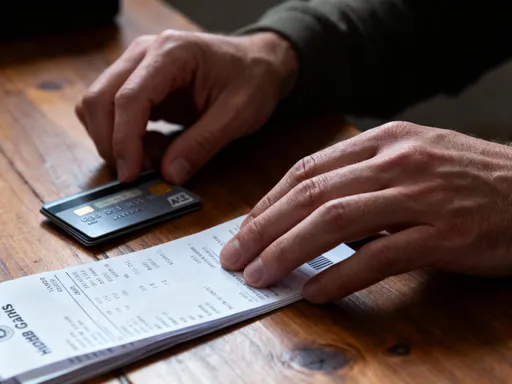
Another hidden cost is the emotional aspect of spending while traveling. When you’re immersed in a new environment, decision fatigue sets in, and the desire to make the most of each moment can override financial discipline. Psychologically, money feels less real when spent abroad—especially when using cards instead of cash. This phenomenon, known as the 'pain of paying,' is reduced when transactions are abstract. As a result, retirees may overspend without realizing it until they return home and review their statements. Additionally, living abroad, even temporarily, can shift spending patterns. Renting an apartment instead of staying in a hotel might seem cost-effective, but it often leads to grocery shopping, utility use, and incidental expenses that wouldn’t occur at home. These subtle shifts can drain savings faster than anticipated.
Why Your Withdrawal Strategy Matters More Than You Think
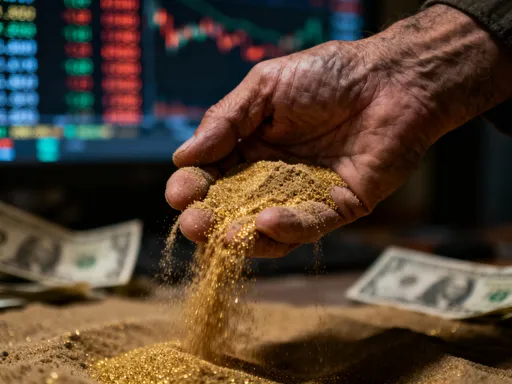
One of the most critical, yet underappreciated, aspects of funding retirement travel is how and when you withdraw money from your investment portfolio. Many retirees assume that as long as their portfolio generates returns over time, they can safely withdraw a fixed amount each month. However, this approach ignores a powerful and often damaging force: sequence-of-returns risk. This refers to the impact that the order of investment returns has on the longevity of a retirement portfolio, particularly in the early years of withdrawal. If you begin taking money out during a market downturn, the damage can be irreversible, even if the market later recovers.
I learned this lesson during a trip to Japan in 2018. The year began with a strong market, so I felt confident withdrawing $4,000 per month to cover travel and living expenses. But by February, global markets entered a correction, and my portfolio dropped 15% over three months. Because I continued withdrawing the same amount, I was essentially selling low—locking in losses and reducing the capital available for future growth. By the end of the year, my portfolio had not only failed to recover fully, but my withdrawal rate had effectively increased due to the lower balance. In contrast, a friend of mine used a flexible withdrawal strategy, reducing his monthly draw by 25% during market declines. His portfolio remained more resilient, and he was able to resume normal withdrawals once markets stabilized.
This experience led me to adopt a dynamic income approach. Instead of rigidly withdrawing a fixed sum, I now adjust my spending based on my portfolio’s performance over the previous quarter. If returns are positive, I allow for modest increases in travel spending. If the market is down, I tighten the budget, relying more on my travel-specific savings bucket. This method doesn’t eliminate risk, but it significantly reduces the chance of depleting funds prematurely. Financial advisors often recommend keeping withdrawal rates below 4% annually to enhance sustainability, but in practice, flexibility is just as important as the rate itself. By aligning withdrawals with market health, retirees protect their long-term financial security while still enjoying the freedom to travel.
Currency Traps: The Silent Drainers of Retirement Funds
For retirees traveling internationally, currency exchange is an unavoidable part of the experience. Yet, few consider how much money is lost to fees, poor exchange rates, and unfavorable conversion practices. These costs are often invisible at the point of transaction but can add up to thousands of dollars over time. I used to think that exchanging cash at airports or hotels was convenient and harmless. It wasn’t until I reviewed my bank statements after a three-month trip through Southeast Asia that I realized I had lost the equivalent of 8% of my travel budget to spread margins and service charges. That’s nearly one out of every twelve dollars spent—gone, not to experiences, but to financial inefficiency.
One of the most deceptive practices is dynamic currency conversion (DCC), often offered at payment terminals abroad. When you use your credit card, the merchant may ask if you want to be charged in your home currency instead of the local one. This seems helpful, but it usually comes with a poor exchange rate and an additional fee. By accepting DCC, you lose control over the conversion process and often pay 3–5% more than if your card issuer handled the transaction. I made this mistake in Thailand when paying for a cooking class. The terminal prompted me to pay in U.S. dollars, and I agreed, thinking it would be easier to track. Later, I discovered the rate was 4.2% worse than the standard conversion. Since then, I always choose to be charged in the local currency and let my card provider handle the exchange.
To minimize currency-related losses, I now use a combination of strategies. First, I rely on credit cards with no foreign transaction fees—these alone can save 3% on every purchase. Second, I use a multi-currency bank account that allows me to hold and spend euros, pounds, or yen without constant conversion. I transfer funds in advance when exchange rates are favorable, locking in better value. Third, I avoid airport and hotel exchange kiosks, which offer some of the worst rates. Instead, I withdraw cash from ATMs using a fee-reimbursed account, limiting withdrawals to reduce the number of transactions. These small but consistent choices have reduced my currency-related costs to less than 1% of my travel spending—a significant improvement that preserves more of my retirement fund for actual experiences.
Healthcare Abroad: The Risk Most Retirees Ignore
One of the most sobering realities of international travel in retirement is the gap in healthcare coverage. Many retirees assume that their domestic health insurance, such as Medicare, will protect them abroad. Unfortunately, this is rarely the case. Medicare provides little to no coverage outside the United States, and most supplemental plans follow the same limitation. I met a fellow traveler in Italy who slipped on a cobblestone street and fractured his wrist. The emergency care, imaging, and splinting cost him over $20,000 out of pocket because his insurance did not cover international treatment. He had to delay his return flight and dip deeply into his travel budget to pay the bill—money that was meant for experiences, not emergencies.
This incident was a wake-up call for me. I realized that while I had planned for flight delays and lost luggage, I had not adequately prepared for medical emergencies. The truth is, health risks don’t disappear during vacation; in some cases, they increase due to unfamiliar environments, changes in diet, or physical activity. A minor illness or injury can quickly escalate into a major financial burden without proper insurance. Travel medical insurance is not a luxury—it’s a necessity. More importantly, retirees should consider plans that include medical evacuation coverage, which can cost tens of thousands of dollars if needed. For example, transporting a patient from a remote island to a hospital with advanced care is extremely expensive and rarely covered by standard policies.
Since then, I have made international health protection a cornerstone of my travel planning. I now purchase comprehensive travel insurance for every trip, ensuring it covers emergency medical treatment, hospitalization, and evacuation. I also keep a digital copy of my medical records, prescriptions, and insurance details in a secure cloud folder, accessible from any device. Additionally, I research hospitals and clinics in my destination cities in advance, noting those with English-speaking staff and international accreditations. Budgeting for healthcare is just as important as budgeting for accommodations. I allocate a portion of my travel fund—typically 5%—as a medical contingency. This creates a financial buffer that prevents emergencies from derailing my retirement plan. By treating health with the same seriousness as finances, I travel with greater peace of mind.
Timing Trips to Match Market and Budget Cycles
When planning retirement travel, most people focus on weather, festivals, or personal schedules. But there’s another, often overlooked factor that can dramatically affect both cost and financial impact: timing in relation to market and budget cycles. Just as smart investors buy low and sell high, savvy retirees can reduce travel expenses by aligning their trips with off-peak seasons and favorable economic conditions. I used to book vacations during school holidays or summer months, assuming that’s when travel was meant to happen. But I’ve since learned that these peak periods come with premium prices—not just for flights and hotels, but for everything from tours to meals.
A turning point came when I delayed a planned trip to Greece by six weeks. Instead of leaving in late June, I went in early August, after the initial tourist wave had passed. The difference was remarkable: flight prices dropped 28%, hotel rates were 35% lower, and even rental cars were more affordable. Overall, I saved over $1,200 on a three-week trip—money I redirected into my travel savings bucket. This experience taught me that flexibility in timing can yield significant financial benefits. Off-peak travel not only reduces direct costs but also lowers the pressure to withdraw from my investment portfolio during expensive periods.
Beyond seasonal trends, I now consider broader economic factors. For instance, when the U.S. dollar is strong against the euro, I prioritize travel to Europe. Conversely, when the yen is weak, Japan becomes more affordable. These currency cycles can save hundreds, even thousands, over the course of a trip. I also monitor fuel prices and airline competition, as these influence flight costs. Booking during airline sales or using price-tracking tools helps me secure better deals. By treating travel timing as a strategic financial decision, I maximize value and minimize strain on my retirement funds. This approach doesn’t require sacrificing enjoyment—many off-peak destinations are less crowded and offer a more authentic experience. The key is planning with foresight, not just desire.
Building a Travel-Specific Withdrawal Bucket
One of the most effective strategies I’ve adopted is creating a dedicated 'travel bucket' within my retirement portfolio. Instead of withdrawing directly from my core investment accounts—where funds are allocated for long-term growth and stability—I set aside a portion of my savings in a separate, short-term liquidity fund. This bucket is specifically designed to cover travel expenses for the next one to two years. It acts as a buffer, shielding my main portfolio from unnecessary withdrawals, especially during market downturns. The idea is simple: keep long-term investments intact while funding lifestyle goals with more stable, accessible assets.
This travel bucket is funded with low-volatility instruments such as high-yield savings accounts, short-duration bonds, and certificates of deposit (CDs). These assets may not offer the same growth potential as stocks, but they provide stability and predictable returns. I typically allocate 15–20% of my retirement savings to this bucket, depending on my travel plans. The funds are gradually replenished from my core portfolio during strong market years, ensuring sustainability. This method also helps with mental accounting—by compartmentalizing travel funds, I’m less likely to feel guilty about spending and less tempted to dip into long-term investments.
The structure of the bucket is designed for both accessibility and modest growth. I divide it into tiers: one portion in an easily accessible money market account for immediate expenses, another in short-term bonds that mature every six months, and a small reserve in foreign currency to avoid last-minute exchange penalties. This laddered approach ensures a steady flow of funds without exposing me to market timing risks. When I travel, I transfer money from the bucket to my spending accounts as needed, rather than making large, emotional withdrawals. This system has brought clarity and control to my financial life, allowing me to enjoy travel without compromising my long-term security.
Staying Disciplined Without Sacrificing Joy
Financial discipline in retirement is not about deprivation—it’s about intentionality. The goal is not to stop traveling, but to do so in a way that aligns with long-term security. I used to swing between two extremes: feeling guilty about spending, then overcompensating by splurging on unnecessary luxuries. This emotional cycle created stress and undermined my financial plan. Over time, I’ve learned that sustainable travel requires a balanced approach—one that includes monitoring, flexibility, and self-awareness.
One of the most helpful tools I use is real-time expense tracking. I link my travel debit card to a financial app that categorizes spending and sends alerts when I approach budget limits. This immediate feedback helps me make conscious choices—like opting for a local café instead of a tourist restaurant—without feeling restricted. I also schedule monthly financial check-ins, where I review my portfolio, travel spending, and upcoming plans. These sessions keep me grounded and allow me to adjust my withdrawal strategy if needed.
Another key is setting spending caps for different categories—lodging, dining, activities—while allowing room for memorable experiences. I don’t eliminate joy; I plan for it. For example, I might limit daily dining costs but allocate extra for a special cooking class or guided tour. This way, I enjoy meaningful moments without derailing my budget. Behavioral finance teaches us that mental accounting and lifestyle creep are natural, but they can be managed with structure and awareness. By focusing on clarity rather than restriction, I’ve found a rhythm that supports both financial health and personal fulfillment.
Freedom Through Foresight
Retirement travel is one of life’s greatest rewards—but only if it doesn’t come at the cost of financial security. True freedom lies not in unlimited spending, but in the confidence that your choices are sustainable. The journey should enrich your life, not deplete your legacy. By understanding the hidden costs of travel, adopting a flexible withdrawal strategy, avoiding currency traps, securing proper healthcare coverage, timing trips wisely, and creating a dedicated travel fund, retirees can explore the world with peace of mind. These steps require planning and discipline, but they are entirely within reach. The most valuable currency in retirement is not money—it’s time. And when managed wisely, both can last a lifetime.