How I Balanced My Energy with Yoga and Ancient Chinese Wisdom
For years, I felt constantly drained—mentally foggy, physically tense, emotionally off. I tried quick fixes, but nothing lasted. Then I discovered how yoga and traditional Chinese养生 (yangsheng) practices could work together to truly optimize well-being. This isn’t about extreme routines or instant results. It’s about creating a sustainable system that aligns body, breath, and energy. What I experienced wasn’t magic—just science, tradition, and consistency working in harmony.
The Burnout Breakthrough: Why Modern Life Demands a New Approach to Health
In today’s fast-paced world, chronic fatigue has become a silent epidemic. Millions of people, especially women between the ages of 30 and 55, report feeling exhausted despite getting enough sleep. They juggle family responsibilities, career demands, household duties, and social obligations, often placing their own well-being at the bottom of the list. This persistent state of low energy is not just inconvenient—it can lead to long-term health consequences such as weakened immunity, digestive issues, and emotional instability.
Western approaches to wellness often focus on treating symptoms rather than addressing root causes. Energy drinks, sleep aids, and over-the-counter supplements are commonly used to manage fatigue, but these solutions rarely offer lasting relief. The body begins to rely on external stimulants, creating a cycle of dependency that masks deeper imbalances. True health optimization requires a shift from reactive fixes to proactive, holistic practices that support the body’s natural rhythms.
This is where a new mindset becomes essential—one that views health not as a series of isolated goals but as an integrated system. Health optimization means cultivating daily habits that enhance physical vitality, mental clarity, and emotional resilience. It’s not about perfection or drastic lifestyle changes. Instead, it’s about making small, consistent choices that accumulate into meaningful, long-term results. By turning attention inward and listening to the body’s signals, individuals can begin to restore balance and reclaim their energy.
Rooted in Tradition: Understanding Chinese Yangsheng (Nourishing Life)
For over two thousand years, Traditional Chinese Medicine (TCM) has emphasized prevention through lifestyle practices known collectively as yangsheng, which translates to “nourishing life.” Unlike modern medicine, which often intervenes after illness occurs, yangsheng is a proactive philosophy aimed at maintaining harmony within the body before imbalances arise. It is rooted in the belief that health is not the absence of disease but the presence of balanced energy, or qi (pronounced “chee”), flowing freely through the body’s meridians.
The core principles of yangsheng include living in rhythm with nature, eating seasonally, moving the body gently, regulating the breath, and cultivating emotional peace. Ancient texts describe daily rituals such as morning stretches, mindful eating, and evening reflections as essential for longevity. These practices were not reserved for monks or healers—they were part of everyday life for ordinary people seeking to live well and age gracefully.
One of the most powerful aspects of yangsheng is its focus on subtle energy. Qi is believed to be the vital force that animates all living things. When qi flows smoothly, the body functions optimally. When it becomes blocked or depleted, symptoms such as fatigue, irritability, and poor digestion emerge. Practices like breathwork, acupressure, and gentle movement are designed to unblock and strengthen qi, supporting the body’s innate ability to heal and regenerate.
Modern science increasingly validates these ancient insights. Studies have shown that slow, deep breathing activates the parasympathetic nervous system, reducing stress hormones and improving heart rate variability. Similarly, mindful movement practices like tai chi and qigong have been linked to improved balance, reduced inflammation, and enhanced cognitive function. By integrating these time-tested principles into daily life, individuals can create a foundation for sustained energy and well-being.
Yoga Beyond the Mat: A System for Mind-Body Alignment
Yoga is often associated with physical postures seen in fitness magazines or social media, but its true purpose extends far beyond flexibility or strength. Rooted in ancient Indian philosophy, yoga is a comprehensive system for aligning the mind, body, and breath. The physical poses, or asanas, are just one component of an eight-limbed path that includes ethical guidelines, breath control, sensory withdrawal, concentration, and meditation. When practiced consistently, yoga becomes a powerful tool for regulating the nervous system and enhancing overall vitality.
One of the most transformative elements of yoga is pranayama, or breath control. Prana refers to life force energy, similar to qi in TCM. By learning to regulate the breath, practitioners can influence their mental and emotional states. For example, slow, rhythmic breathing signals the brain to relax, reducing the production of cortisol, the primary stress hormone. This shift allows the body to move from a state of fight-or-flight into rest-and-digest mode, where healing and restoration can occur.
Regular yoga practice has been scientifically linked to numerous health benefits. Research shows that individuals who practice yoga experience improved sleep quality, reduced anxiety, and better emotional regulation. The combination of movement, breath, and mindfulness helps quiet mental chatter, making it easier to focus and make thoughtful decisions. Over time, these changes contribute to a greater sense of inner stability, even in the face of life’s inevitable challenges.
For busy women managing multiple roles, yoga offers a practical way to recharge without requiring hours of commitment. Even ten minutes of gentle stretching and conscious breathing can reset the nervous system and restore mental clarity. The key is consistency—not intensity. By making yoga a daily habit, rather than an occasional workout, individuals build resilience that supports them throughout the day.
Where East Meets Ease: Merging Yoga with Chinese Energetics
At first glance, yoga and Traditional Chinese Medicine may seem like separate systems from different cultures. Yet, when examined closely, they share remarkable similarities in their understanding of energy and well-being. Both recognize that vitality depends on the free flow of life force—prana in yoga, qi in TCM. Both emphasize the importance of breath, movement, and mindfulness in maintaining balance. And both view the human being as an integrated whole, where physical, emotional, and energetic health are deeply interconnected.
One of the most powerful points of overlap is diaphragmatic breathing. In yoga, this is known as abdominal or belly breathing, and it is a foundational practice for calming the mind. In TCM, deep breathing is believed to strengthen the lungs and kidneys, two organs associated with energy and vitality. When practiced together, these approaches reinforce each other, creating a synergistic effect that enhances oxygenation, reduces stress, and improves circulation.
Another shared principle is the importance of spinal health. In yoga, many asanas are designed to increase spinal mobility, release tension, and stimulate the nervous system. In TCM, the spine is seen as a central channel through which qi flows. Stiffness or misalignment in the spine can disrupt energy flow, leading to fatigue and discomfort. Gentle yoga poses such as cat-cow, child’s pose, and seated twists help maintain spinal flexibility while also encouraging the smooth movement of qi.
Stillness is another common thread. Meditation in yoga and quiet contemplation in yangsheng both create space for inner awareness. These practices allow individuals to observe their thoughts and emotions without judgment, fostering emotional resilience. Over time, this inner stillness becomes a refuge—a place of calm that can be accessed even during stressful moments. By combining yoga’s structured techniques with TCM’s holistic philosophy, individuals can create a personalized system that supports long-term energy balance.
Building Your Daily System: Simple, Sustainable Habits That Work
The greatest challenge in any wellness journey is consistency. Many people begin with enthusiasm but struggle to maintain new habits when life becomes busy. The key to success lies in designing a system that is simple, realistic, and adaptable. Rather than aiming for an hour-long yoga session or a complete lifestyle overhaul, start with small, manageable practices that can be integrated into existing routines.
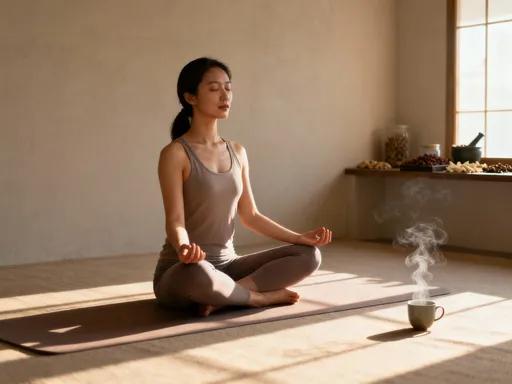
A powerful way to begin the day is with a five-minute breathwork practice followed by ten minutes of gentle yoga. Upon waking, sit upright in bed or on a cushion and take slow, deep breaths, filling the belly on the inhale and emptying it completely on the exhale. This simple act signals the body to shift from sleep mode into wakefulness while also grounding the mind. Afterward, move through a short sequence of poses such as forward folds, gentle twists, and shoulder rolls. This routine requires no special equipment and can be done in pajamas, making it accessible even on the busiest mornings.
Midday resets are equally important, especially for women who spend long hours at a desk or managing household tasks. A two-minute pause to press acupressure points—such as the space between the eyebrows (Yintang) or the webbing between the thumb and index finger (Large Intestine 4)—can help relieve tension and refresh mental focus. Pair this with a mindful breathing exercise: inhale for four counts, hold for four, exhale for six. This extended exhale activates the parasympathetic nervous system, promoting calm and clarity.
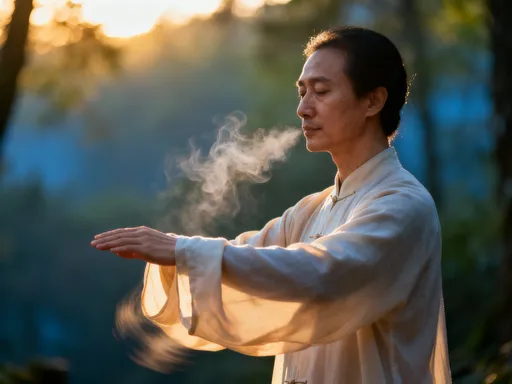
In the evening, transition into rest with qigong-inspired stretches and journaling. Stand barefoot on the floor, rock gently from heel to toe, and perform slow arm raises and shoulder rolls. These movements release stored tension and prepare the body for sleep. Follow with a few minutes of writing—recalling three things that went well during the day or noting any emotions that need acknowledgment. This practice fosters gratitude and emotional processing, both of which support restful sleep and long-term mental well-being.
Real Shifts, Not Quick Fixes: What Actually Changes Over Time
One of the most encouraging aspects of this integrated approach is that changes become noticeable—even if they are gradual. Within the first few weeks, many people report improved digestion, likely due to reduced stress and better regulation of the gut-brain axis. Others notice that they fall asleep more easily and wake up feeling more refreshed. These are not minor improvements; they represent foundational shifts in how the body functions on a daily basis.
Over time, emotional resilience increases. Small frustrations that once triggered anger or anxiety begin to feel more manageable. There is a growing sense of inner steadiness, as if the mind has developed a buffer between stimulus and reaction. This improved mood regulation is supported by research showing that both yoga and mindfulness practices increase activity in the prefrontal cortex, the area of the brain responsible for decision-making and emotional control.
Mental clarity also improves. Many women in this age group report experiencing “brain fog,” especially during hormonal transitions. By supporting blood flow, reducing inflammation, and regulating stress hormones, the combination of yoga and yangsheng practices helps clear mental haze. Tasks that once felt overwhelming become more approachable, and creativity often returns as energy levels stabilize.
Perhaps most importantly, these benefits are cumulative. Unlike quick fixes that provide temporary relief, this system builds momentum over time. Each day of practice strengthens the body’s resilience, making it easier to handle stress, recover from fatigue, and maintain a positive outlook. The result is not just better health—but a deeper sense of alignment with one’s natural rhythm.
Making It Yours: How to Adapt This System Without Overwhelm
No two individuals are the same, and what works for one person may not suit another. The beauty of this approach lies in its flexibility. Rather than following a rigid schedule, listen to your body and adjust the practices to fit your needs. Some days may call for more movement; others may require deeper rest. Honoring these fluctuations is not a sign of failure—it is a sign of wisdom.
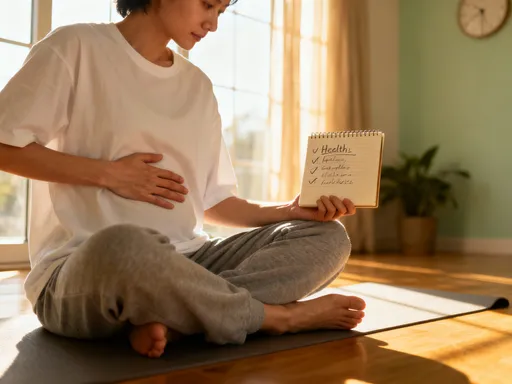
For example, if you wake up feeling stiff, focus on gentle stretches and warm herbal tea to stimulate circulation. If you feel emotionally drained, prioritize stillness—sit quietly, breathe slowly, and allow space for reflection. The goal is not to complete a checklist but to respond to your body’s signals with kindness and awareness. This self-trust becomes a cornerstone of long-term well-being.
It’s also important to recognize when professional guidance is needed. While these practices support general health, they are not substitutes for medical care. Women managing conditions such as high blood pressure, thyroid imbalances, or chronic pain should consult their healthcare providers before beginning any new routine. With professional input, these practices can often be safely incorporated as complementary support.
Sustainability comes from flexibility, not perfection. Missed a morning session? Begin again tomorrow. Too tired for a full routine? Do just one minute of breathing. The power of this system lies in its consistency over time, not in flawless execution. By releasing the pressure to “do it all,” individuals create space for genuine, lasting change.
Conclusion
True health isn’t about chasing perfection—it’s about creating a rhythm that supports your energy, mind, and body every day. By blending the depth of Chinese yangsheng with the structure of yoga, you’re not just surviving; you’re building a life of lasting vitality. Start small, stay consistent, and let the system work for you. The shifts may be subtle at first, but over time, they add up to a profound transformation—one breath, one movement, one mindful moment at a time.