What Fixed My Smile? How I Finally Got Real Results with Oral Care
Ever feel like no matter how much you brush, something’s still off with your mouth? I’ve been there—bad breath, sensitive gums, constant dentist warnings. But after months of small, smart changes, I saw real improvement. This isn’t about magic fixes; it’s what actually worked for me. If you're tired of guessing, let’s break down the simple steps that truly support oral recovery and lasting comfort. It started with discomfort I couldn’t ignore, grew into a journey of learning, and ended with a renewed sense of confidence. The truth is, oral health isn’t just about appearance. It’s about how you feel every time you speak, eat, or smile. And for many women in their 30s to 50s—juggling family, work, and self-care—it’s easy to let small warning signs slip by. But those signs matter. What follows is a clear, honest look at how one woman turned things around—not with expensive treatments, but with consistent, science-backed habits that anyone can adopt.
The Wake-Up Call: When My Mouth Sent Up Red Flags
It began with little things—gums that bled slightly when I brushed, a metallic taste I couldn’t explain, and breath that didn’t stay fresh no matter how many mints I used. At first, I dismissed it. I told myself I was brushing twice a day, so I must be doing enough. But over time, the symptoms grew harder to ignore. Eating became uncomfortable. I started avoiding certain foods because chewing made my gums ache. Smiling in photos felt awkward, not because of my teeth, but because I worried about what others might notice.
The turning point came during a routine dental cleaning. My hygienist paused and said, ‘Your gums are inflamed, and we’re seeing pockets forming.’ She explained that bleeding wasn’t normal—it was a sign of early gum disease, not something to brush off. I was stunned. I had always considered myself diligent about oral care. But the reality was, I was going through the motions without truly understanding what my mouth needed. That appointment wasn’t just a check-up; it was a wake-up call. I realized I had been treating my mouth like a separate part of my body, disconnected from my overall health and daily habits.
What surprised me most was how much the discomfort affected my emotional well-being. I began to feel self-conscious in conversations, worried my breath was noticeable. I stopped laughing freely and found myself covering my mouth more often. It wasn’t just physical—it was personal. And yet, I wasn’t alone. Many women in my age group have shared similar stories—brushing regularly but still struggling with persistent issues. The key, I would later learn, wasn’t doing more. It was doing things differently, with intention and understanding.
Breaking the Myths: What I Thought vs. What Dentists Actually Recommend
Before that dental visit, I believed a few things without question. I thought brushing harder meant cleaner teeth. I used a firm toothbrush and scrubbed vigorously, convinced I was removing every trace of plaque. I also believed that mouthwash was a powerful germ killer—something that could replace flossing or fix bad breath on its own. And like many, I assumed that if my teeth looked okay, my gums must be healthy too. These beliefs were deeply ingrained, but they were also incorrect.
Dentists explain that aggressive brushing can damage the gum line and wear down enamel over time. Instead of protecting your teeth, you may be weakening them. The goal isn’t force—it’s thoroughness with care. Similarly, while mouthwash can be a helpful addition, it doesn’t remove plaque between teeth the way flossing does. Most over-the-counter rinses reduce bacteria temporarily, but they don’t address the root causes of gum inflammation or imbalance in the oral microbiome.
I also learned that oral health isn’t just about avoiding cavities. True recovery involves supporting the entire ecosystem of the mouth—gums, saliva, pH balance, and tissue resilience. Saliva, for instance, plays a critical role in neutralizing acids and washing away food particles. When saliva flow is reduced—often due to dehydration or certain medications—the mouth becomes more vulnerable to bacterial overgrowth. Gum circulation matters too. Healthy gums receive good blood flow, which helps them resist infection and heal faster.
One of the most important shifts in my thinking was understanding the difference between cosmetic fixes and genuine healing. Whitening strips may make teeth look brighter, but they don’t strengthen gums or reduce inflammation. A minty-fresh feeling after rinsing doesn’t mean your mouth is truly healthy. Real progress comes from habits that support biological function, not just surface-level appearance. This mindset change—moving from quick fixes to long-term care—was the foundation of my improvement.
The Core Routine That Changed Everything
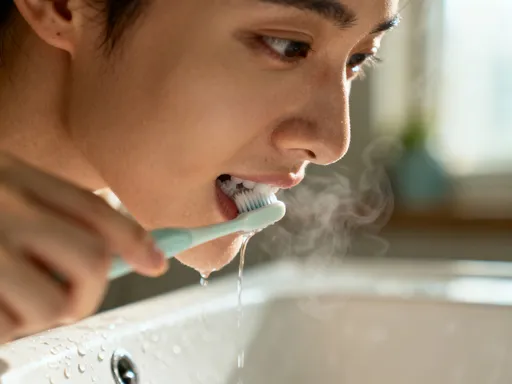
Once I understood what my mouth truly needed, I rebuilt my routine from the ground up. I started with the basics: brushing, flossing, and tongue care. But I approached each step with new knowledge. Instead of rushing through my morning and evening routine, I slowed down and focused on technique. I switched to a soft-bristled toothbrush and learned to hold it at a 45-degree angle to the gum line. This small adjustment allowed the bristles to reach beneath the gums where plaque tends to accumulate, without causing irritation.
Gentle, circular motions replaced the back-and-forth scrubbing I used to do. I spent at least two minutes each time, making sure I covered all surfaces—front, back, and chewing areas. It felt slower at first, but within weeks, I noticed less bleeding and a cleaner sensation that lasted longer. The key wasn’t frequency—it was consistency and method. Brushing correctly twice a day did more than aggressive brushing ever had.
Flossing was another game-changer. I used to skip it, telling myself I didn’t have time or that it made my gums bleed too much. But once I started flossing daily with a gentle sawing motion and curved the floss around each tooth, the bleeding decreased significantly. Within three weeks, my gums looked healthier—less red, less swollen. I realized the bleeding wasn’t a reason to stop flossing; it was a sign that I needed to do it more, not less.
One habit I had completely overlooked was tongue cleaning. I began using a tongue scraper every morning, removing the white coating that built up overnight. The difference in breath freshness was immediate. I also noticed fewer instances of morning bad breath, which I later learned was linked to bacteria on the tongue’s surface. Together, these three steps—gentle brushing, daily flossing, and tongue care—became the non-negotiable core of my oral health routine. They were simple, but their impact was profound.
Beyond Brushing: Daily Habits That Boost Healing
While technique was essential, I soon realized that what I did outside of brushing played an equally important role. Hydration became a top priority. I started carrying a water bottle with me and made a habit of drinking throughout the day. I learned that saliva production depends on adequate fluid intake. When I was dehydrated, my mouth felt dry, and that dryness created an environment where bacteria could thrive. By staying hydrated, I supported my body’s natural defenses and helped maintain a healthy pH balance in my mouth.
Diet was another major factor. I began paying closer attention to what I ate, especially between meals. Sugary snacks and sticky foods were major contributors to plaque buildup. I replaced them with crunchy vegetables like carrots, celery, and bell peppers. Not only did they satisfy my need to chew, but they also helped clean my teeth naturally by stimulating saliva and scrubbing away debris. Apples and cucumbers became go-to choices for midday snacks. I also reduced my intake of acidic drinks like soda and citrus juices, which can erode enamel over time.
One change that surprised me was stepping away from alcohol-based mouthwashes. I had used them for years, believing they were essential for killing germs. But I learned that these formulas can dry out the mouth and disrupt the balance of beneficial bacteria. Instead of helping, they were possibly making things worse. I switched to an alcohol-free rinse and noticed my mouth felt less irritated. Over time, my natural flora seemed to stabilize, and I experienced fewer episodes of bad breath.
These small daily choices added up. I wasn’t following a strict diet or extreme regimen—just making thoughtful adjustments. The result was a noticeable reduction in plaque, less gum sensitivity, and a general sense of oral comfort I hadn’t felt in years. Healing wasn’t just about what I did at the sink; it was about how I lived throughout the day.
Tools That Actually Helped—No Hype, Just Results
As I refined my routine, I experimented with a few tools to see what made a real difference. The most impactful addition was a water flosser. At first, I was skeptical—wasn’t flossing enough? But after trying it, I understood the benefit. The gentle stream of water reached areas my string floss sometimes missed, especially around my back teeth and under my gum line. It was easier on my gums and made the process quicker. I noticed less irritation and a cleaner feeling that lasted longer.
I also compared electric and manual toothbrushes over several months. While both can be effective, I found the electric brush helped me maintain consistent pressure and motion. Many models have built-in timers, which ensured I brushed for the full two minutes. The oscillating or sonic action seemed to remove plaque more efficiently, especially along the gum line. That said, a manual brush with proper technique works well too—it’s not about the tool, but how you use it.
Fluoride toothpaste remained a consistent part of my routine. Dentists widely recommend fluoride for its ability to strengthen enamel and protect against decay. I chose a fluoride formula without added whitening agents, which can be abrasive. Using it twice daily became a simple, reliable habit. I didn’t need special gels or expensive pastes—just a trusted, effective product that supported long-term health.
I avoided gimmicky tools like charcoal powders, ultrasonic scrapers, or unregulated ‘natural’ toothpastes that lacked fluoride. Some of these products promised dramatic results but had little evidence to support their claims. Instead, I focused on tools that were recommended by dental professionals and had a track record of safety and effectiveness. Simplicity, consistency, and science—not marketing—guided my choices.
Mindset Shift: From Crisis Mode to Long-Term Maintenance
One of the most significant changes wasn’t in my routine—it was in my mindset. I used to treat oral care as a reactive chore. I’d brush when I remembered, floss when I felt guilty, and see the dentist only when something hurt. But after my wake-up call, I shifted to a preventive approach. I began to see oral health as part of my daily self-care, not just a hygiene task. It became less about fixing problems and more about maintaining balance.
Tracking small wins helped me stay motivated. I noticed when my gums stopped bleeding. I celebrated the days when my breath stayed fresh without mints. These weren’t dramatic changes, but they were real. Over time, they built confidence and reinforced the value of consistency. I learned that short, daily efforts—two minutes of brushing, one minute of flossing—were far more effective than occasional deep cleans or last-minute fixes before appointments.
This shift also connected to my overall well-being. Taking care of my mouth made me feel more in control of my health. It wasn’t about vanity; it was about respect for my body. As a woman in midlife, I’ve learned that small, consistent actions often lead to the most lasting results. Oral health became a symbol of that principle. It reminded me that I don’t need perfection—just steady, mindful effort.
Why This Matters More Than You Think—and What Comes Next
Looking back, I realize that oral recovery isn’t a quick fix. It’s a gradual process that requires patience, education, and commitment. The changes I made didn’t produce overnight miracles, but over months, they transformed how I feel in my own mouth. My gums are healthier, my breath is fresher, and I smile without hesitation. More importantly, I understand what my body needs and how to support it.
But I also know I can’t do it alone. Regular dental visits remain essential. Professionals can spot early signs of trouble—like gum pockets, enamel erosion, or oral lesions—that I wouldn’t notice on my own. Cleanings remove tartar that brushing can’t, and personalized advice keeps me on track. My dentist isn’t just a problem-solver; they’re a partner in prevention.
For anyone feeling stuck or discouraged, know this: you don’t have to do everything at once. Start with one small change—switch to a soft brush, add flossing, drink more water. Build from there. Trust that each step, no matter how small, contributes to a healthier mouth and greater confidence. Oral health is not just about teeth. It’s about how you show up in the world—speaking clearly, eating comfortably, smiling freely. It’s a form of self-respect that grows stronger with time. And if I could make it happen, so can you. The journey begins with a single, intentional choice—and it’s never too late to start.