Why Your Home Might Be the Key to Preventing Disease
What if the air you breathe indoors could quietly influence your long-term health? I didn’t think much about it—until I started noticing how small changes in my environment led to real improvements in my energy and well-being. Science now shows that where we live plays a powerful role in catching health issues early. From air quality to lighting, our surroundings send signals our bodies respond to. This isn’t about drastic overhauls—it’s about smart, science-backed tweaks that support your body before problems arise.
The Hidden Link Between Environment and Early Health Shifts
Every day, we interact with our homes in ways that subtly shape our biology. The temperature, lighting, acoustics, and chemical composition of indoor air do more than affect comfort—they influence core physiological processes linked to chronic illness. Research increasingly shows that prolonged exposure to suboptimal indoor environments can shift biological markers long before symptoms appear. These early changes, such as elevated inflammation, disrupted hormone levels, or altered heart rate variability, may not feel alarming at first, but they lay the groundwork for conditions like type 2 diabetes, cardiovascular disease, and respiratory disorders.
One of the most studied connections is between environmental stressors and systemic inflammation. For example, a 2020 review published in Environmental Health Perspectives found that long-term exposure to indoor particulate matter—even at levels below current safety thresholds—was associated with increased C-reactive protein (CRP), a key marker of inflammation. Similarly, poor lighting conditions, especially those that suppress natural daylight exposure, have been linked to dysregulation of cortisol and melatonin, hormones critical for immune function and metabolic balance. These disruptions don’t happen overnight, but their cumulative effect over months or years can significantly raise disease risk.
What makes this connection so challenging is its invisibility. Unlike acute illness, these shifts occur silently, without pain or obvious warning signs. A mother heating dinner on a gas stove may inhale nitrogen dioxide without realizing it contributes to airway inflammation. A woman working from home under harsh fluorescent lights may feel tired but not connect her fatigue to suppressed melatonin. Yet, each exposure adds to a growing biological burden. The good news is that because these environmental influences are modifiable, they offer a powerful opportunity for prevention. By understanding how daily surroundings affect the body at a cellular level, individuals can take informed steps to reduce risk before clinical disease develops.
How Modern Living Silently Raises Health Risks
Modern homes, while designed for convenience and comfort, often harbor invisible hazards that contribute to long-term health decline. Volatile organic compounds (VOCs), mold spores, synthetic fragrances, and electromagnetic emissions are common in today’s living spaces, frequently introduced through cleaning supplies, furniture, paint, and HVAC systems. While regulatory standards exist, they often focus on acute toxicity rather than chronic, low-dose exposure. Over time, even minimal contact with these agents can disrupt delicate biological systems, particularly in individuals with genetic predispositions or compromised immunity.
Take household cleaning products as an example. Many contain chemicals like ammonia, chlorine, and phthalates, which have been shown in studies to irritate airways and impair lung function. A longitudinal study from the University of Bergen, published in the American Journal of Respiratory and Critical Care Medicine, followed over 6,000 participants for two decades and found that regular use of spray cleaners was associated with a decline in lung function equivalent to smoking a pack of cigarettes per day over 10–20 years. The risk was especially pronounced among women, who statistically perform more household cleaning. Yet, these products are used daily without awareness of their long-term impact.
Mold is another under-recognized threat. Dampness in bathrooms, basements, or behind walls can foster mold growth, releasing spores and mycotoxins into the air. Chronic exposure has been linked to allergic sensitization, asthma development, and even immune dysfunction. The World Health Organization acknowledges indoor dampness as a significant public health concern, yet many homes lack proper ventilation or humidity control. Similarly, blue light emitted by screens and LED lighting at night interferes with circadian rhythms. This disruption suppresses melatonin production, which not only impairs sleep but also affects glucose metabolism and cellular repair processes—key factors in the early stages of metabolic syndrome.
These risks are not isolated; they often coexist and interact, creating a cumulative burden on the body. The danger lies in their normalization—because these exposures are routine, they rarely raise alarm. But just as poor diet or inactivity gradually erodes health, so too can an unexamined home environment. Recognizing these modern hazards is the first step toward creating a living space that supports, rather than undermines, long-term wellness.
Air Quality: The Invisible Factor in Disease Detection
Indoor air quality is one of the most influential yet overlooked aspects of preventive health. On average, people spend nearly 90% of their time indoors, where pollutant concentrations can be two to five times higher than outdoor levels, according to the U.S. Environmental Protection Agency. The air we breathe at home contains a complex mixture of particulate matter (PM2.5), carbon dioxide (CO₂), volatile organic compounds, allergens like dust mites and pet dander, and biological contaminants such as bacteria and mold spores. Each of these elements can act as a chronic stressor on the respiratory and immune systems, contributing to early physiological changes that precede clinical disease.
For instance, elevated CO₂ levels—common in poorly ventilated homes, especially during winter—have been shown to impair cognitive function and increase drowsiness. A 2016 study from the Harvard T.H. Chan School of Public Health found that cognitive performance scores dropped significantly when participants worked in environments with high CO₂ and VOC levels. While this study focused on mental acuity, the implications extend to overall vitality and alertness, which are early indicators of systemic well-being. Similarly, fine particulate matter from cooking, candles, or nearby traffic can penetrate deep into the lungs, triggering oxidative stress and low-grade inflammation, both of which are linked to cardiovascular and respiratory diseases.
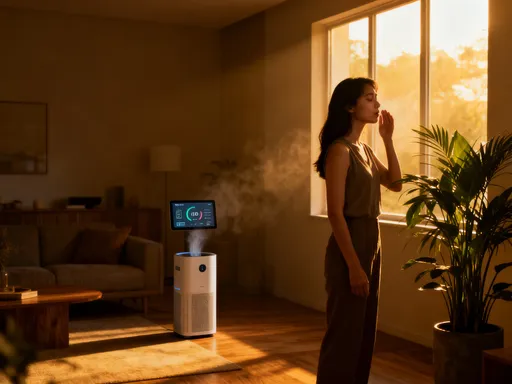
The good news is that improving indoor air quality does not require expensive renovations. Simple, evidence-based strategies can make a measurable difference. Increasing ventilation by opening windows for 10–15 minutes daily helps dilute indoor pollutants. Using exhaust fans during and after cooking or showering reduces moisture and removes airborne contaminants. Air purifiers equipped with HEPA filters have been shown in multiple studies to reduce particulate levels and improve respiratory symptoms in individuals with allergies or asthma. Houseplants such as peace lilies, spider plants, and snake plants can also contribute to air purification, though their impact is modest compared to mechanical solutions.
For those seeking more precise control, low-cost air quality monitors are now widely available. Devices that measure PM2.5, CO₂, humidity, and VOCs allow users to track conditions in real time and identify problem areas. For example, noticing consistently high CO₂ levels in a home office might prompt the addition of a small fan or a habit of stepping outside for fresh air every few hours. These small adjustments, grounded in environmental health science, empower individuals to respond to their environment proactively rather than waiting for symptoms to appear.
Light, Sleep, and the Body’s Early Warning System
Light is more than a visual cue—it is a biological regulator. The human body operates on a circadian rhythm, a roughly 24-hour cycle governed by the brain’s suprachiasmatic nucleus, which responds primarily to light and darkness. When this rhythm is aligned with natural daylight patterns, the body efficiently regulates sleep, hormone release, metabolism, and cellular repair. However, modern indoor environments often disrupt this balance through excessive artificial lighting, especially blue-enriched light from screens and LEDs, which mimics daylight and confuses the brain’s internal clock.
Exposure to blue light in the evening suppresses melatonin, the hormone responsible for initiating sleep. Even low levels of screen light—such as from a phone or tablet used an hour before bed—can delay melatonin onset by 30 to 90 minutes, according to research from Harvard Medical School. This delay not only reduces sleep duration and quality but also affects metabolic health. Studies have shown that disrupted circadian rhythms are associated with increased insulin resistance, elevated blood sugar levels, and higher body mass index—early markers of type 2 diabetes and obesity.
Conversely, insufficient exposure to bright light during the day can have equally detrimental effects. Many people spend their mornings and afternoons in dimly lit homes or offices, depriving the brain of the signals it needs to stay alert and regulate mood. This lack of daylight exposure has been linked to seasonal affective disorder (SAD), fatigue, and poor concentration. The solution lies in aligning indoor lighting with natural rhythms. Replacing cool-white LED bulbs with warmer-toned lights (2700K–3000K) in the evening helps signal the body that it is time to wind down. Using dimmer switches or lamps instead of overhead lighting in the late afternoon further supports this transition.
Equally important is maximizing natural light during the day. Simple habits like opening curtains upon waking, eating breakfast near a window, or taking a morning walk outside can strengthen circadian alignment. Exposure to bright morning light, even on cloudy days, helps reset the body’s clock and improves nighttime sleep quality. For those with limited outdoor access, light therapy boxes that emit 10,000 lux of cool-white light can be used for 20–30 minutes each morning, a practice supported by clinical guidelines for circadian regulation. By treating light as a health tool rather than just a convenience, individuals can support their body’s natural rhythms and reduce the risk of chronic disease before it begins.
Noise Pollution and Chronic Stress: A Silent Trigger
Noise pollution is often dismissed as a mere annoyance, but its impact on health is both real and measurable. Chronic exposure to low-level environmental noise—from traffic, aircraft, household appliances, or even constant background music—can activate the body’s stress response system, leading to sustained elevations in cortisol, the primary stress hormone. While short-term cortisol release is adaptive, chronic elevation contributes to inflammation, impaired immune function, and increased blood pressure, all of which are early warning signs of cardiovascular disease.
A landmark study published in the European Heart Journal analyzed data from over 240,000 people and found that long-term exposure to road traffic noise above 50 decibels—comparable to moderate rainfall or a quiet conversation—was associated with a higher risk of hypertension and ischemic heart disease. The mechanism appears to be both physiological and psychological: noise disrupts sleep, increases arousal during rest, and creates a sense of lack of control, all of which contribute to stress accumulation. Even sounds that do not fully wake a person can fragment sleep cycles, reducing restorative deep sleep and increasing nighttime heart rate.
Indoors, noise pollution can come from unexpected sources. Refrigerators, HVAC systems, and electronic devices emit low-frequency hums that, while barely noticeable, can still affect nervous system regulation over time. Open-plan homes, while aesthetically popular, often lack sound absorption, allowing noise to travel freely and increase auditory load. For individuals already managing stress or sleep issues, this constant sensory input can be particularly taxing.
Mitigating noise does not require moving to a remote location. Practical solutions include adding rugs, curtains, and upholstered furniture to absorb sound, sealing gaps around doors and windows to block external noise, and using white noise machines or fans to mask disruptive sounds. Designating a quiet zone in the home—a bedroom or reading nook kept free from electronics and loud activity—can provide a daily refuge for nervous system recovery. For those in high-noise areas, double-glazed windows or acoustic panels offer longer-term improvements. By reducing auditory stress, these changes support not only better sleep but also long-term cardiovascular resilience.
Designing a Health-Aware Living Space: Actionable Steps
Creating a health-supportive home does not require perfection—only intention and consistency. A practical approach begins with a room-by-room assessment of environmental factors that influence well-being. Start with the kitchen, where many household chemicals are stored and used. Replace conventional cleaners with non-toxic alternatives made from vinegar, baking soda, or castile soap. Store food in glass or stainless steel containers to avoid leaching from plastics, especially when heating. Use range hoods or open windows while cooking to reduce indoor air pollution from gas stoves, which emit nitrogen dioxide and fine particles.
The bedroom, as the primary space for rest and recovery, deserves special attention. Aim for a cool, dark, and quiet environment. Set the thermostat between 60–67°F (15–19°C), the optimal range for sleep onset. Use blackout curtains or an eye mask to block light, and remove electronic devices or place them in another room to minimize blue light and electromagnetic exposure. Choose a mattress and pillows that support proper spinal alignment, and wash bedding weekly in hot water to reduce dust mites. Consider using a white noise machine or fan to create a consistent sound environment that masks disruptive noises.
The living room and workspace should prioritize natural light and ergonomic comfort. Position desks near windows to maximize daylight exposure, and take breaks outdoors when possible. Use task lighting with warm tones in the evening to avoid circadian disruption. Limit screen time, especially in the hour before bed, and enable night mode settings on devices to reduce blue light emission. Incorporate indoor plants not only for aesthetics but for their modest air-purifying benefits and psychological calming effects.
Finally, establish routines that maintain a healthy environment. Change HVAC filters every 1–3 months, clean humidifiers regularly to prevent mold, and monitor indoor humidity levels (ideally between 30–50%) to discourage dust mites and mold growth. These actions, while simple, create a cumulative protective effect. When practiced consistently, they transform the home from a passive backdrop into an active partner in health preservation.
The Bigger Picture: Environment as Preventive Medicine
The concept of using one’s living environment as a tool for disease prevention represents a shift from reactive to proactive health care. While medical screenings and clinical interventions remain essential, they often occur after physiological changes have already taken root. Environmental modifications, in contrast, operate earlier in the disease continuum, addressing risk factors before they manifest as illness. This aligns with the growing public health emphasis on social and environmental determinants of health—recognizing that where and how people live significantly influences their long-term outcomes.
Home-based prevention is particularly powerful because it is accessible, sustainable, and within individual control. Unlike genetic predispositions or socioeconomic factors, the home environment can be shaped deliberately. Each improvement—better lighting, cleaner air, quieter spaces—acts as a small but meaningful intervention. When combined, these changes create a synergistic effect, supporting multiple systems of the body simultaneously. They also foster a mindset of awareness and self-care, encouraging individuals to pay attention to subtle signals of imbalance before they escalate.
Moreover, these practices complement, rather than replace, professional medical care. A woman who improves her indoor air quality may still need annual lung function tests, but she reduces her baseline risk. A person who optimizes sleep lighting may still benefit from a doctor’s advice on insomnia, but they create conditions that support natural recovery. In this way, environmental health becomes part of a broader wellness strategy—one that empowers individuals to participate actively in their own care.
Public health initiatives are beginning to reflect this understanding. Programs that promote energy-efficient homes often include co-benefits like improved ventilation and reduced dampness, directly supporting respiratory health. Urban planning now considers noise reduction and access to natural light as health priorities. As awareness grows, the home is no longer seen just as a shelter, but as a frontline defense in the prevention of chronic disease.
Transforming your environment isn’t about perfection—it’s about paying attention to the quiet signals your body and space give you. By aligning your home with science-backed principles, you’re not just cleaning or decorating; you’re building an early defense system for your health. These changes won’t replace doctors or diagnostics, but they can create a foundation where wellness thrives—and warnings appear sooner. Start small, stay consistent, and let your surroundings work for you, not against you.