How Moving Just Right Changed My Mood for Good
You don’t need intense workouts to feel better—just the right kind of movement. I used to think exercise was only for weight loss or stamina, until I noticed how even light, daily motion eased my stress and lifted my mood. Science backs this: consistent, moderate physical activity helps regulate emotions naturally. This isn’t about pushing limits. It’s about finding balance. In this article, we’ll explore how 适量运动—movement that feels good, not forced—can become a powerful tool for emotional well-being. What if the simplest form of self-care wasn’t a luxury spa day or a complicated routine, but something as accessible as walking around the block, stretching at your kitchen counter, or dancing to a favorite song while folding laundry? For many women in their 30s, 40s, and 50s, life often feels like a constant balancing act—managing family, work, household duties, and personal expectations. Emotional fatigue can quietly settle in, making it harder to enjoy daily moments. Yet, a growing body of research shows that gentle, intentional movement can shift this pattern—not by adding more to your plate, but by restoring inner balance.
The Hidden Link Between Movement and Mood
Physical activity has long been praised for its benefits to the heart, muscles, and metabolism. But one of its most profound impacts is often overlooked: its ability to stabilize and elevate mood. For many women juggling multiple roles, emotional resilience is just as important as physical strength. The good news is that you don’t need to run marathons or spend hours in the gym to experience this. Even gentle, regular movement—like walking, light gardening, or slow dancing in the kitchen—can initiate powerful changes in brain chemistry. When you move your body, your brain releases natural chemicals such as endorphins and serotonin, often referred to as the body’s “feel-good” hormones. These substances help reduce feelings of stress, sadness, and mental fog. At the same time, physical activity helps lower cortisol, the hormone associated with chronic stress. This combination creates a natural emotional reset, making it easier to face daily challenges with calm and clarity.
Consider the common experience of returning home after a long day, feeling emotionally drained. You might feel irritable with your children, overwhelmed by chores, or disconnected from your partner. In those moments, it’s easy to reach for comfort food, scroll endlessly on a phone, or simply collapse on the couch. But what if, instead, you stepped outside for a 10-minute walk? Or stood up and stretched while waiting for the kettle to boil? These small actions signal to your nervous system that you are safe, present, and in control. Over time, this builds emotional resilience. Studies have shown that individuals who engage in regular, low-to-moderate physical activity report lower levels of anxiety and improved emotional regulation. The key is consistency, not intensity. It’s not about how hard you push, but how regularly you move in a way that feels supportive, not exhausting.
Why "Just Right" Beats "As Much As Possible"
In a culture that often glorifies busyness and intensity, the idea of “just enough” movement can feel counterintuitive. Many women grow up believing that exercise must be strenuous to count—that if you’re not sweating heavily or feeling sore the next day, you haven’t done enough. But this mindset can backfire, especially when emotional well-being is the goal. Overexercising, particularly without adequate rest, can increase stress hormones, lead to burnout, and even worsen mood over time. On the other hand, balanced, moderate movement—what we might call 适量运动—supports both physical and emotional health without depleting energy. This approach is not about performance or appearance. It’s about tuning in to what your body truly needs on any given day.
So, what does “just right” look like in practice? For most adults, health guidelines suggest at least 150 minutes of moderate-intensity aerobic activity per week—about 30 minutes a day, five days a week. But this doesn’t have to happen in one go. Three 10-minute walks spread throughout the day can be just as effective. The intensity should feel comfortable—enough to raise your heart rate slightly and make you breathe a little deeper, but not so much that you can’t hold a conversation. The goal is not to push limits, but to create a sustainable rhythm. When movement becomes a form of self-care rather than a chore or punishment, it transforms from something you “should” do into something you look forward to. It becomes a way to reconnect with yourself, not another item on a to-do list.
How Your Body Talks to Your Brain Through Motion
The connection between physical movement and emotional state is not just psychological—it’s physiological. When you move, your muscles send signals through the nervous system directly to the brain. These signals help regulate the autonomic nervous system, which controls functions like heart rate, digestion, and stress response. Gentle, rhythmic motion—such as walking, swimming, or even rocking in a chair—can activate the parasympathetic nervous system, the body’s “rest and digest” mode. This helps counteract the “fight or flight” state that many women live in due to constant demands and responsibilities. Think of it like this: motion resets your inner thermostat. When stress has turned the heat up too high, movement brings it back to a comfortable, balanced level.
This is why many people notice a sense of calm after even a short walk. It’s not just the change of scenery or a break from routine—it’s the biological effect of movement on the brain. Research has shown that physical activity increases blood flow to areas of the brain involved in emotional regulation, such as the prefrontal cortex. It also supports the growth of new neural connections, which can improve mental flexibility and reduce rumination—the tendency to get stuck in negative thought loops. These changes happen gradually, but they are real and measurable. The beauty of this process is that it doesn’t require special equipment or training. Whether you’re standing up to stretch between emails, pacing while on the phone, or doing a few gentle yoga poses before bed, you’re sending positive signals to your brain. Over time, these small actions build a stronger, more resilient emotional foundation.
Real-Life Shifts: What Changes When You Move Mindfully
The benefits of balanced movement extend far beyond the physical. Women who adopt a consistent, gentle movement practice often report subtle but meaningful improvements in their daily lives. One of the most common changes is better sleep. When your body is gently activated during the day, it’s more likely to settle into restful sleep at night. This creates a positive cycle—better sleep leads to more energy, which makes it easier to stay active, which in turn supports emotional stability. Another frequently reported benefit is reduced anxiety. Many describe feeling less “wound up” or reactive, especially in stressful situations. Instead of snapping at a child or feeling overwhelmed by a minor setback, they find they can pause, take a breath, and respond with more patience and clarity.
These shifts may seem small, but they add up. Imagine being able to stay calm during a traffic jam, handle a last-minute change in plans without frustration, or simply enjoy a quiet moment with a cup of tea without feeling guilty for “doing nothing.” These are signs of emotional regulation in action. They reflect a nervous system that is better able to adapt and recover. And the best part? These changes don’t come from drastic overhauls or extreme efforts. They come from showing up consistently, even in tiny ways. A woman who walks for 10 minutes after dinner every night may not see dramatic weight loss, but she might notice she feels more grounded, more present, and more in control of her emotions. That is a powerful transformation—one that enhances not just her well-being, but the quality of her relationships and daily experiences.
Simple Ways to Build Balanced Movement Into Any Day
One of the biggest barriers to regular movement is the belief that it requires time, space, or special equipment. But the truth is, balanced movement can be woven into the fabric of your daily routine. It’s not about carving out an hour for the gym—it’s about finding small, accessible ways to keep your body gently active. Start with what’s already part of your day. If you drink several cups of tea or coffee, use each break as a cue to stand up and stretch. Reach your arms toward the ceiling, roll your shoulders, or do a gentle twist from side to side. These micro-movements improve circulation and release tension without requiring any extra time.
Walking is one of the most effective and underrated forms of movement. If possible, take a short walk after meals. Not only does this support digestion, but it also provides a mental reset. Even five minutes around the block can shift your mood. If you work from home or spend long hours at a desk, set a reminder to stand up every hour. You don’t need to do a full workout—simply standing, shifting your weight, or doing a few squats against a chair can make a difference. While watching TV, try seated leg lifts, ankle circles, or gentle arm movements. The goal is not to burn calories, but to keep your body engaged and your mind clear. Gardening, folding laundry, or playing with a pet can also count as movement. The key is to choose activities that feel pleasant, not punishing. When movement feels good, you’re more likely to keep doing it.
Listening to Your Body: The Art of Knowing When to Move or Rest
Just as important as knowing how to move is knowing when to rest. True balance means honoring your body’s signals, not following a rigid schedule. Some days, your energy may be high, and a brisk walk or light dance session feels perfect. Other days, you may feel drained, achy, or emotionally heavy. On those days, the most supportive choice might be gentle stretching, deep breathing, or simply lying down with your legs up the wall. Pushing through fatigue can lead to burnout and worsen mood over time. Instead, treat movement as a conversation with your body. Ask yourself: How do I feel today? What do I need right now? Am I moving to care for myself, or to punish or fix myself?
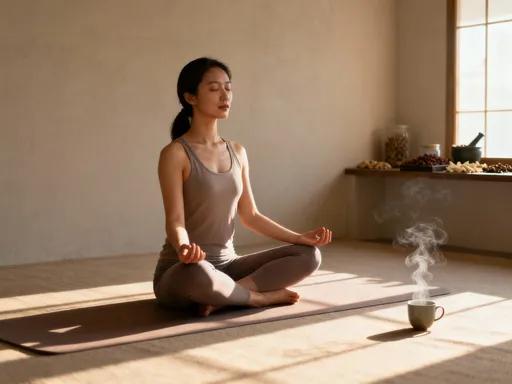
Emotional cues are just as important as physical ones. If you’re feeling anxious or scattered, rhythmic, repetitive movement—like walking or rocking—can be grounding. If you’re feeling low or sluggish, a short burst of more energetic movement—like marching in place or shaking out your arms—can help wake up your system. But if you’re feeling emotionally numb or overwhelmed, rest may be the kindest choice. The goal is not to follow a one-size-fits-all routine, but to develop self-awareness and flexibility. Over time, this builds a deeper sense of trust in your body. You learn that you don’t have to earn rest, and you don’t have to push through pain to be worthy of care. This mindset shift is essential for long-term well-being.
Making It Last: Turning Movement Into a Sustainable Habit
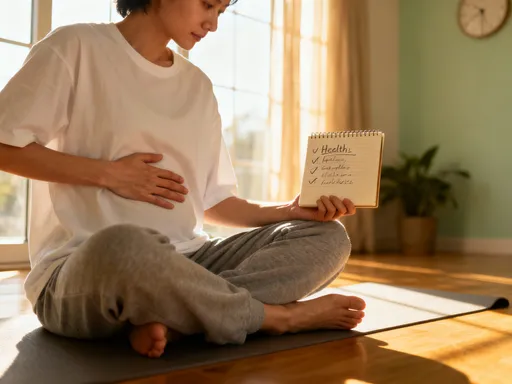
The most effective movement practice is the one you can maintain over time. That means focusing on enjoyment, ease, and consistency, not speed, intensity, or visible results. Instead of tracking steps or calories, try paying attention to how you feel before and after moving. Do you feel calmer? More focused? Lighter in your body? These subtle shifts are powerful indicators of progress. Keeping a simple mood journal—just a few words each day—can help you notice patterns. You might discover that on days you move, even briefly, you sleep better, laugh more easily, or handle stress with greater patience.
It’s also important to practice self-compassion. There will be days when you don’t move at all—and that’s okay. Life is unpredictable. Children get sick, work demands spike, or you simply feel too tired. The goal is not perfection, but gentle return. When you miss a day, don’t criticize yourself. Instead, gently recommit when you can. Over time, this builds a sustainable habit rooted in kindness, not guilt. Remember, this is not a quick fix. It’s a lifelong practice of showing up for yourself in small, meaningful ways. Balanced movement is not about changing your body—it’s about nurturing your emotional well-being, one gentle step at a time.
In closing, the journey to better mood and emotional resilience doesn’t require dramatic changes. It begins with small, intentional choices—choosing to stand instead of sit, to walk instead of drive when possible, to stretch instead of scroll. These moments add up, creating a foundation of calm and clarity that supports every area of your life. Movement, when done with care and awareness, becomes more than physical activity—it becomes a form of daily self-respect. It reminds you that you are worth the time, the effort, and the attention. As you continue on this path, remember to consult with a healthcare provider before beginning any new physical routine, especially if you have pre-existing health conditions. Your well-being is precious, and every small step forward is a gift to yourself.